A test often begins before anyone writes an answer. Papers arrive, chairs move, and someone nearby starts writing immediately. A student who has not yet found a way into the first question may already feel behind. The pressure comes partly from the task and partly from the meaning we give to what is happening around us.
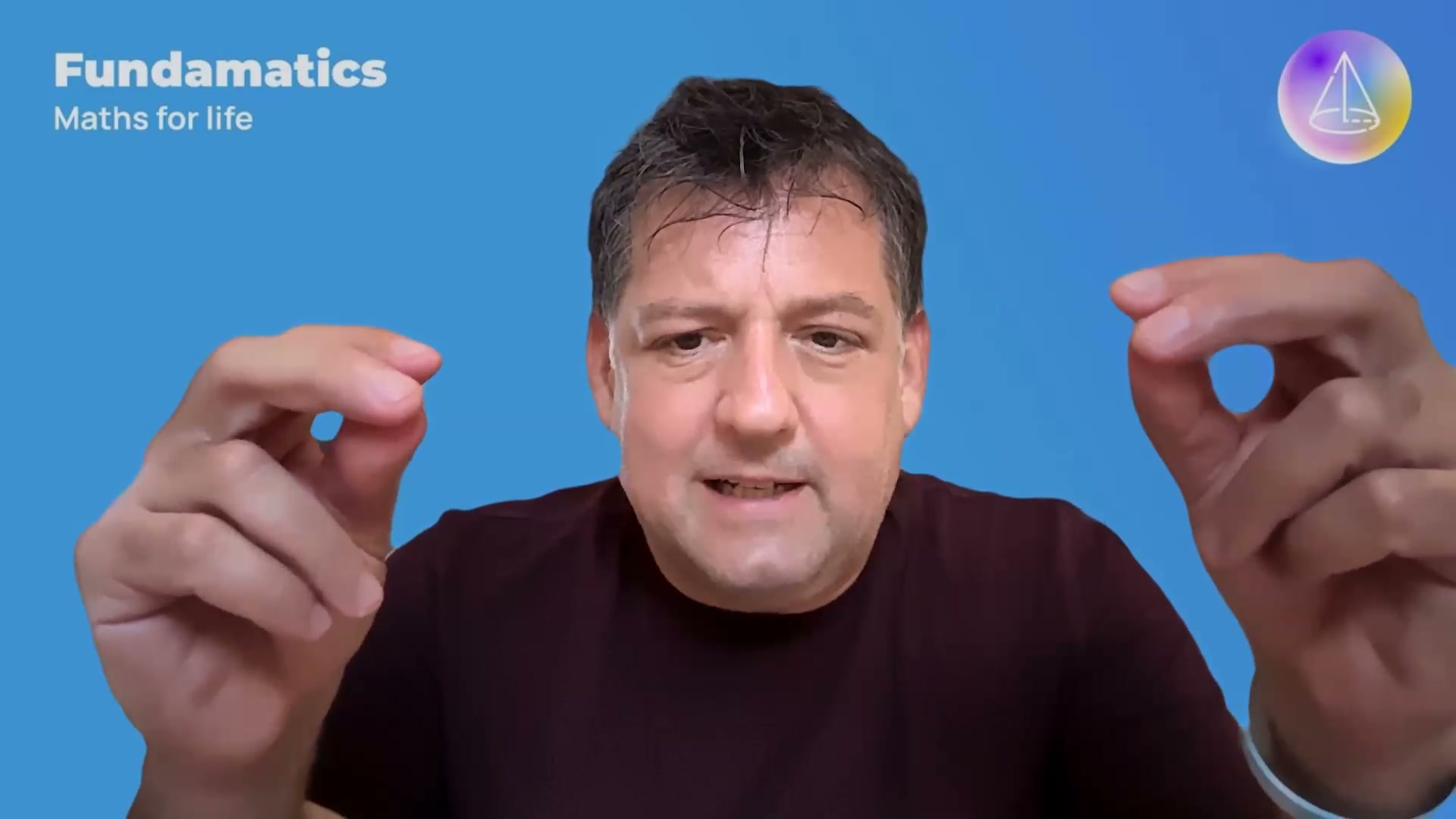
In this Fundamatics Teaching Idea, Gil Sher approaches that moment through a simple classroom experience. He asks viewers to count a series of finger clicks. The instruction is straightforward, and it gives attention a clear job. For a few seconds, the task is to follow the finger clicks and arrive at a number.
Then he changes the question. What happened to your breathing while you were trying to count? The answer to the counting task becomes less interesting than the experience of doing it. A learner may have noticed a change in breathing, may be unsure, or may not have noticed anything. Those different responses are useful starting points for discussion. The exercise invites observation; it does not establish that everyone reacts in the same way.
That shift matters in teaching. We often ask students to concentrate without giving them much language for the experience of concentration. A shared activity offers something concrete to discuss. What held your attention? What slipped out of awareness? Did the effort to keep up feel different from simply watching? Students can reflect on those questions without having to produce a correct answer about themselves.
Gil connects this experience to the beginning of a test. His suggestion is to put the pen on the table and take a brief moment to breathe before starting. The educational value lies in making a deliberate choice at a moment that can feel hurried. It gives a student a possible action to explore instead of another instruction to try harder.
Breathing can be approached as one practical part of self-regulation. Here, the suggestion is an invitation to pause and notice before returning to the task. It is not a guarantee of concentration, a treatment for anxiety or a promise about grades. The classroom exercise also does not prove a particular mechanism in the brain. Its value here is experiential: noticing, reflecting and considering a response.
For teachers, the conversation can remain small and specific. Let students complete the task, ask what they noticed and leave room for different experiences. The aim is not to prescribe a single way to feel before a test. It is to help learners recognise that how they begin is something they can pay attention to.
Watch Gil's English recording: https://www.youtube.com/watch?v=dH1RGtQ4dNw