Teachers give students many things over the years: knowledge, questions, challenges, feedback and encouragement. Most of these cannot be held. They happen in conversation, in the margin of an exercise book, or in the time spent trying again. Occasionally, I have wanted to give physical form to something less visible: the recognition that a student’s effort, and the journey we had shared, mattered.
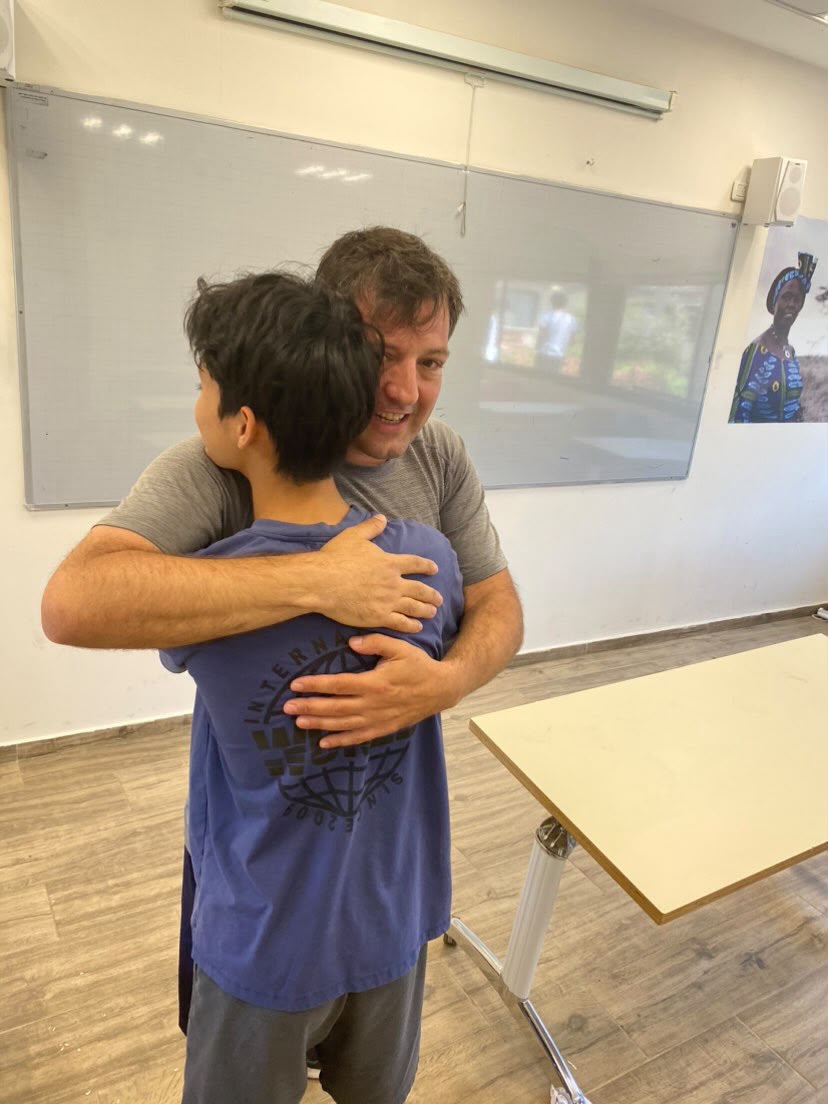
Long before Fundamatics had a name, I sometimes gave students pens. Some marked commitment, effort or excellence. One carried the words “Stay forever curious”. I liked the invitation in that sentence. It left room for what came after a successful answer or a finished course: another question, a different possibility, something still worth understanding. A pen could be used the following morning, but it could also carry a thought beyond the occasion on which it was given.
The price of the object had little to do with what I hoped to communicate. A pen handed over without attention would remain a pen. What mattered was the moment around it: what had happened before, what I could honestly recognise, and what I said to the student. The gesture was a way of saying that I had noticed their effort, believed in their possibilities, and valued what we had built together. It needed to refer to a real person and a real history.
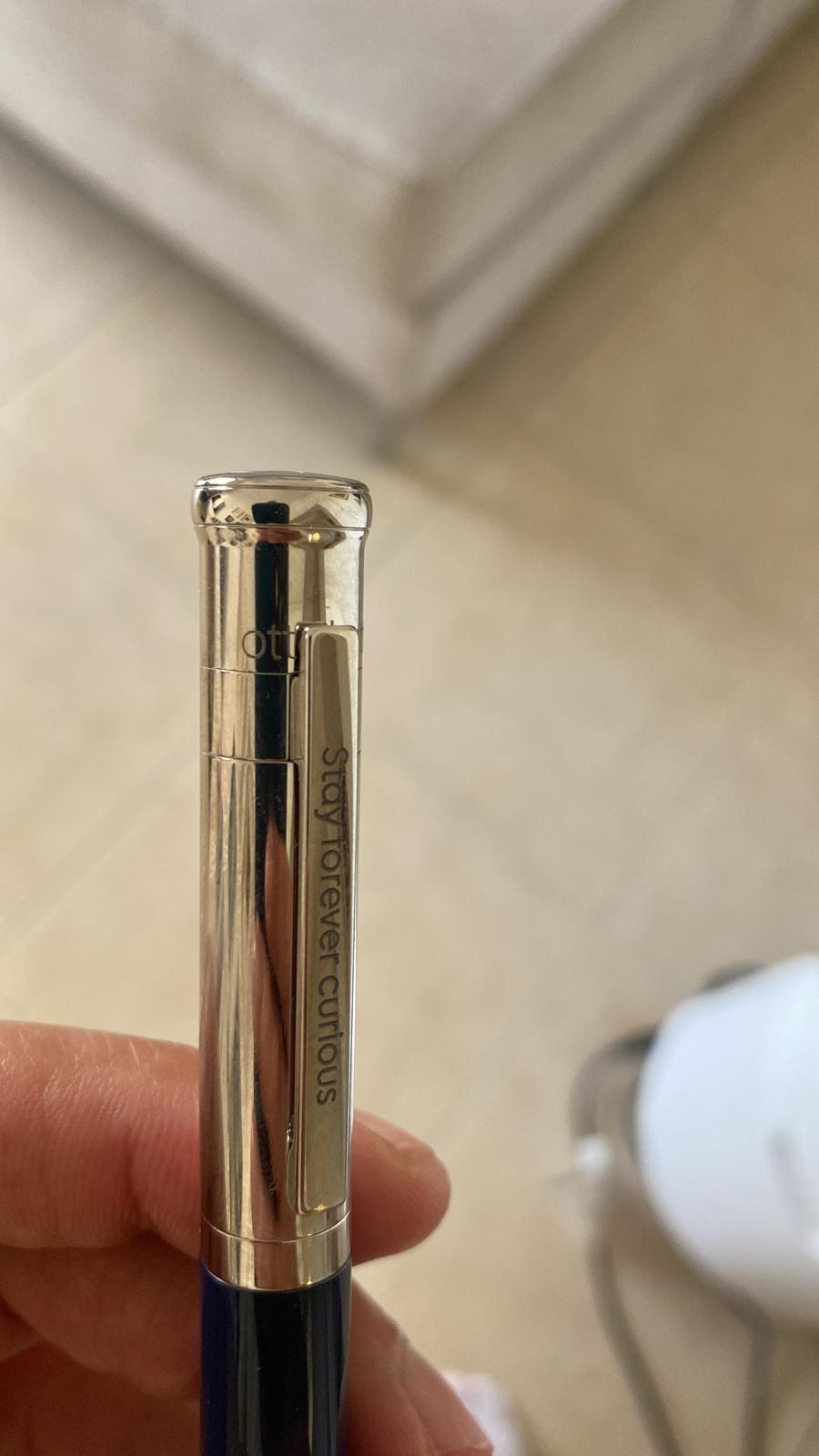
There were other objects, photographs and small classroom rituals. Sometimes there was no gift at all. A few words, a shared moment or a photograph could mark the same intention. The point was to pause rather than allow everything to disappear into the next lesson, the next assessment or the rush towards the end of term. Something had happened between us, and I wanted to acknowledge it while we were still there together.
That is a modest act, but it contains an interesting tension. Trust cannot be placed in a schoolbag. A relationship cannot be wrapped, and recognition is not something a teacher can simply hand over as a finished product. Yet we often give experiences a material companion: a photograph kept in a drawer, a note inside a book, an ordinary object associated with a particular person. Its meaning comes from the life around it.
A keepsake cannot guarantee what someone will remember. A student may treasure it, use it until it wears out, or eventually lose it. None of those possibilities cancels the original moment. Nor should the gesture ask for gratitude or turn the relationship into a debt. What I can offer as a teacher is an honest acknowledgement. What the student carries forward belongs to them.
This also changes how I think about recognising achievement. A result deserves attention, but it does not tell the whole story of how a student reached it. There may have been persistence, a willingness to ask for help, or the decision to return to something difficult. The words accompanying an object can name what a mark alone cannot show. They make the recognition specific, rather than treating every student’s path as interchangeable.
The Fundamatics wristband came later, as another object within that existing tradition. In this story it is not merchandise or a reward for belonging to a brand. The tradition came first; Fundamatics came afterwards. The wristband offered another way to give a shared experience something tangible, with its meaning held in the relationship rather than in the name printed on it.
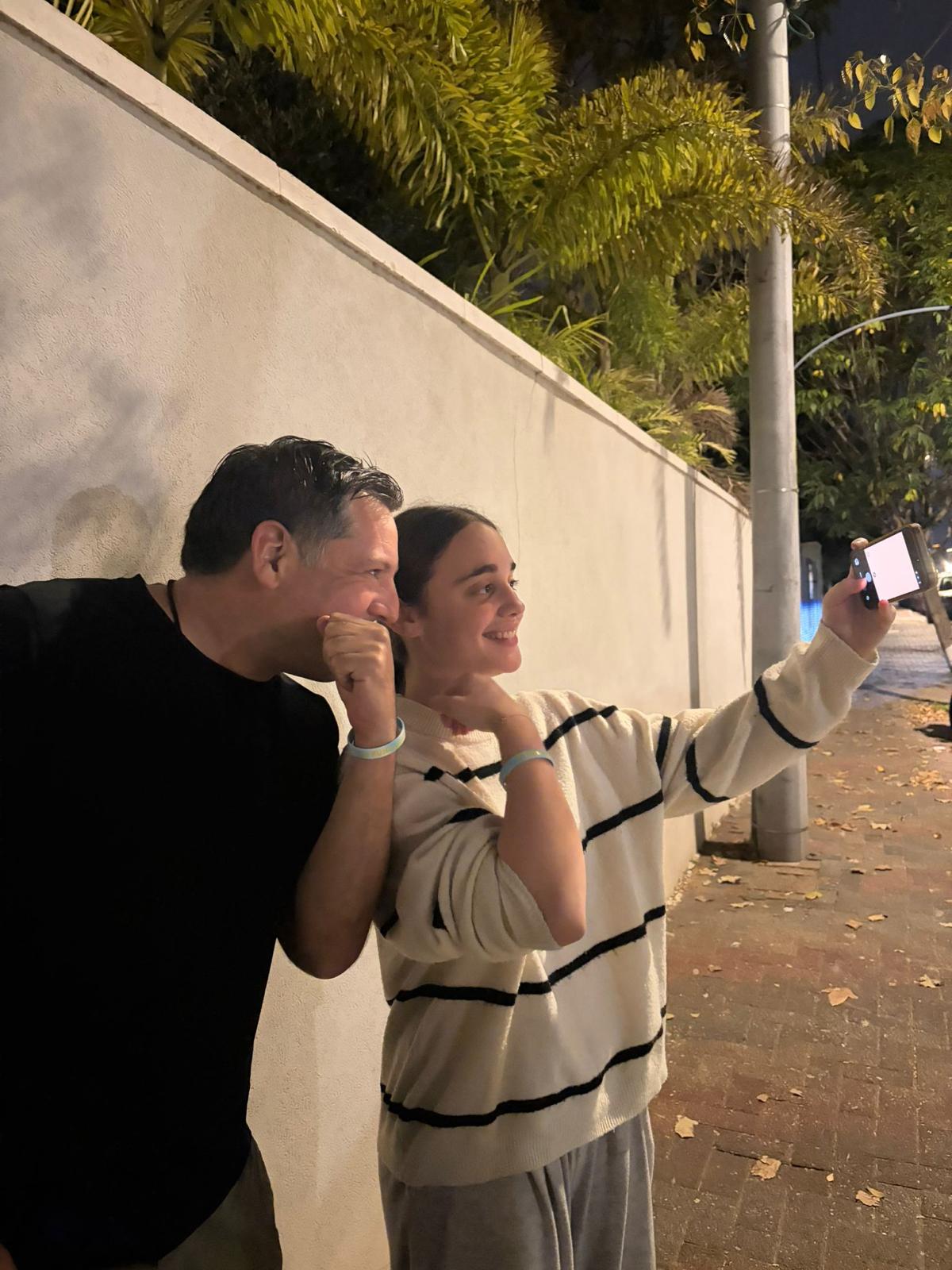
The question behind the film is therefore more particular than what students remember from school. It asks how a teacher can mark that a relationship, an effort and a shared journey mattered. That interest sits naturally within Fundamatics’ concern with human potential. Knowledge matters deeply, and teaching asks us to take it seriously. It also requires judgement, trust, curiosity and attention to the person learning. After the lesson, the test, or even school itself is over, what remains between a teacher and a student? A small object is one way I have tried to leave that question open.